What Are Dentures?
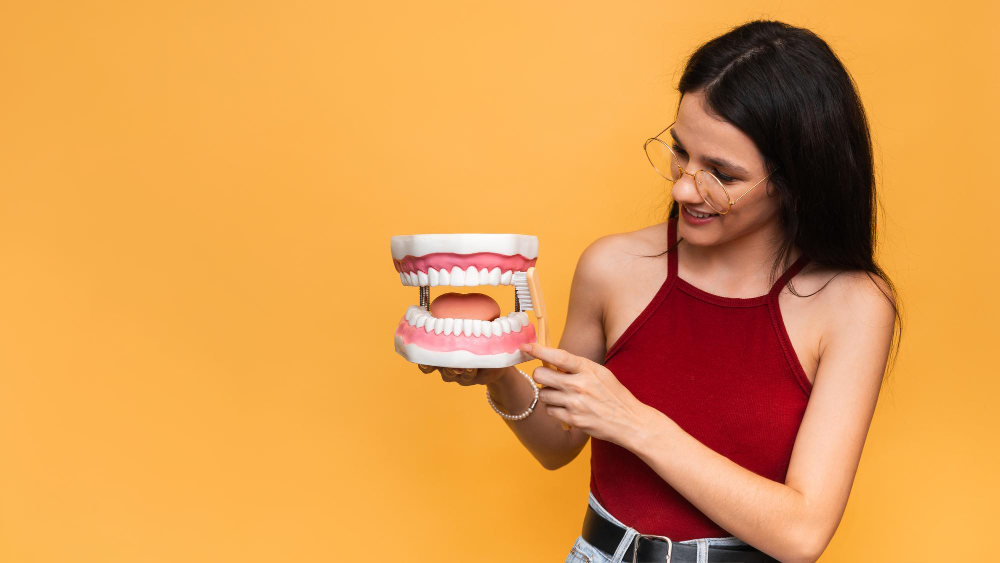
Dentures are removable devices that replace missing teeth. They help you eat, speak, and smile with confidence. Because dentures look like natural teeth, many people choose them to restore their smiles. In fact, dentures are often called “false teeth.” Dentures can be full or partial, depending on your needs.
Types of Dentures
There are several types of dentures. Each type serves a different purpose. For example, some people need a full set, while others only need to replace a few teeth. Here are the main types:
Because each type has its own benefits, your dentist will help you choose the best option.
Who Needs Dentures?
Anyone who has lost some or all of their teeth may need dentures. Often, seniors look for the best dentures for seniors to improve their quality of life. However, younger people may also need dentures due to injury or illness. If you have trouble chewing or speaking, dentures can help.
Symptoms and Signs You May Need Dentures
Sometimes, it is hard to know when you need dentures. However, there are clear signs to watch for:
If you notice these symptoms, it may be time to talk to your dentist.
Causes of Tooth Loss
Tooth loss can happen for many reasons. For instance, common causes include:
Because tooth loss affects your health, it is important to address the cause early.
Diagnosis and Assessment
First, your dentist will examine your mouth. Then, they may take X-rays to check your bone and gums. After that, your dentist will discuss your options. This step ensures you get the right type of dentures for your needs. Sometimes, you may need other treatments before getting dentures.
Denture Fitting Process
The denture fitting process involves several steps. Each step helps ensure your dentures fit well and feel comfortable. Here is what you can expect:
Because a good fit is important, your dentist may ask you to return for follow-up visits.
Caring for Your Dentures
Proper care keeps your dentures clean and helps them last longer. For example, follow these tips:
Because good care prevents problems, always follow your dentist’s advice on how to care for false teeth.
Benefits and Limitations
Dentures offer many benefits. For instance, they restore your smile and help you eat better. They also support your facial muscles and improve speech. However, dentures have some limitations. Sometimes, they may feel loose or cause sore spots. You may need time to adjust. Still, most people find dentures helpful and affordable.
Common Myths About Dentures
Many myths surround dentures. Let’s clear up some common ones:
Because these myths can cause worry, always ask your dentist for the facts.
Tips for Adapting to Dentures
Adjusting to dentures takes time. However, these tips can help:
Because everyone adapts at their own pace, do not get discouraged.
Prevention of Tooth Loss
Preventing tooth loss is important for a healthy smile. For example, you can:
Because prevention is easier than treatment, start healthy habits early.
When to See a Dentist
If you have missing teeth or trouble chewing, see a dentist soon. Also, if your dentures feel loose or cause pain, schedule a visit. Early care can prevent bigger problems. Many clinics offer affordable dentures near you, so do not delay.
In summary, dentures can restore your smile and improve your life. Consult a dental specialist at Sowbhagya Dental for personalized advice on dentures.