Introduction
Modern dental technology has changed the way dentists care for your teeth. One important tool is the intraoral scanner. The benefits of intraoral scanners in dentistry are clear. These devices help dentists take digital dental impressions quickly and easily. As a result, patients enjoy a more comfortable and accurate dental visit. In this blog, you will learn how intraoral scanners work and why they are becoming popular in dental clinics.
What Are Intraoral Scanners?
Intraoral scanners are small, handheld devices. Dentists use them to take pictures inside your mouth. Instead of using sticky dental putty, these scanners create a digital model of your teeth. Because of this, the process is cleaner and faster. Intraoral scanners are a key part of modern dental technology.
How Do Intraoral Scanners Work?
First, the dentist gently moves the scanner around your mouth. The device takes many pictures of your teeth and gums. Then, special software combines these images into a 3D digital model. This model helps dentists plan treatments, make crowns, or create braces. For example, digital dental impressions are ready in minutes, not days.
Key Benefits of Intraoral Scanners in Dentistry
Intraoral scanner advantages are many. Here are some of the main benefits:
Because of these benefits, more dental clinics are using intraoral scanners every day.
Patient Experience and Comfort
Many people dislike the old way of taking dental impressions. The putty can feel sticky and cause gagging. However, intraoral scanners are gentle and fast. Patients often say the process is much more comfortable. In addition, you can breathe and talk during the scan. For children and adults alike, this makes dental visits less stressful.
Accuracy and Efficiency in Dental Procedures
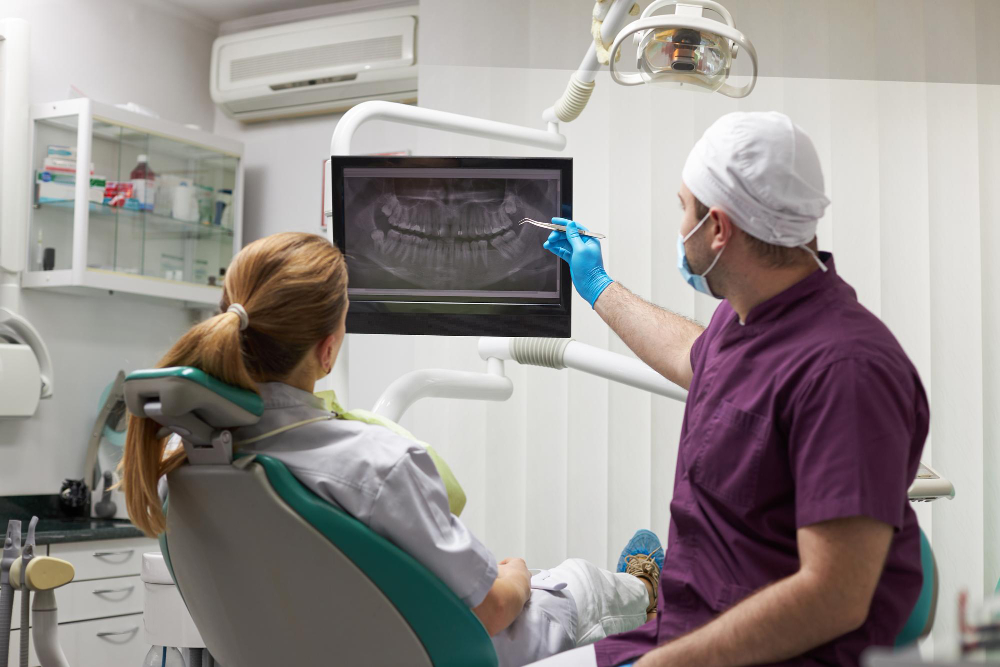
Accurate dental impressions are important for good results. Intraoral scanners create detailed 3D images. Because of this, dentists can spot problems early. Also, dental labs can use these images to make crowns, bridges, or aligners that fit better. According to studies in dental journals, digital impressions reduce errors and save time. As a result, you may need fewer visits to the dentist.
Impact on Dental Practice Workflow
Intraoral scanners help dental clinics work more smoothly. Since digital files are easy to share, dentists can send them to labs in seconds. This means faster turnaround for dental work. Additionally, less time is spent on cleaning up messy materials. Dental teams can focus more on patient care. Because of these improvements, clinics can see more patients each day.
Common Questions About Intraoral Scanners
Summary and Next Steps
In summary, the benefits of intraoral scanners in dentistry are many. They make dental visits easier, faster, and more comfortable. Digital dental impressions help dentists provide better care. If you want a modern, stress-free dental experience, ask your dentist about intraoral scanners. Consult your dentist at Sowbhagya dental to learn how intraoral scanners can improve your dental care experience.