Introduction
Full Mouth Rehab, also known as full mouth reconstruction or oral rehabilitation, is a dental treatment that restores all teeth in the upper and lower jaws. Many people need this when their teeth are badly damaged or missing. Because it improves both function and appearance, Full Mouth Rehab can change lives. For example, it helps people chew, speak, and smile with confidence. According to the American Dental Association, this process uses a mix of dental procedures to rebuild your mouth. It is important because it can improve your health and quality of life.
Symptoms and Signs Indicating Need for Full Mouth Rehab
Sometimes, it is hard to know if you need Full Mouth Rehab. However, certain signs can help you decide when to see a dentist. For instance, you may notice:
Additionally, if you feel embarrassed to smile or talk, it may be time to ask about dental restoration options.
Common Causes Leading to Full Mouth Rehab
Many factors can lead to the need for Full Mouth Rehab. For example, some common causes include:
Because these problems can get worse over time, early treatment is important. The CDC notes that untreated dental issues can affect your overall health.
Diagnosis: How Dentists Assess the Need for Full Mouth Rehab
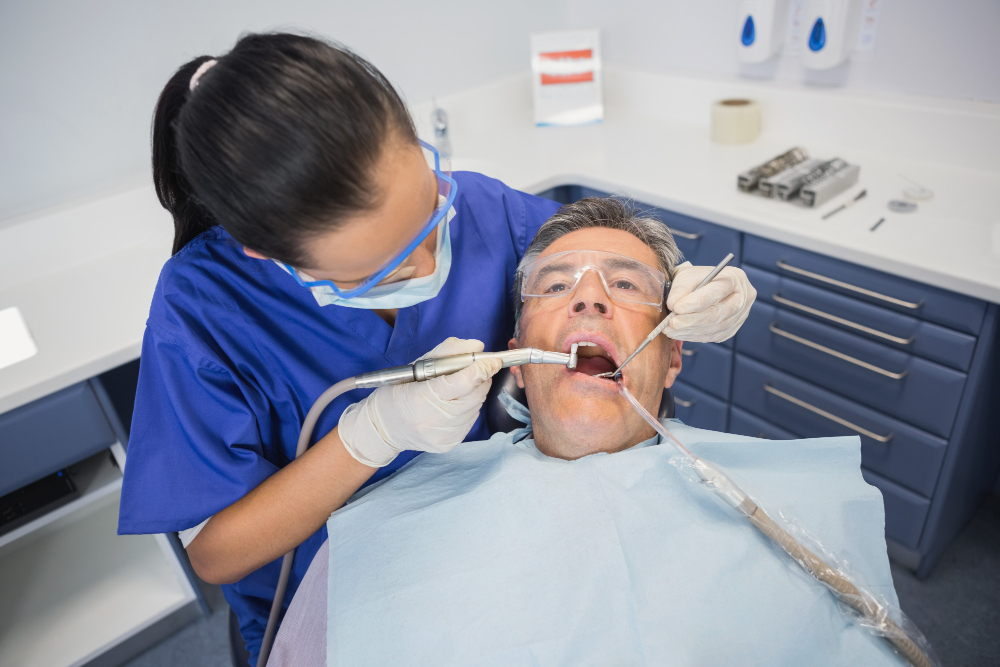
First, your dentist will do a full exam of your mouth. They may take X-rays, photos, and dental impressions. Next, they check your teeth, gums, bite, and jaw joints. Dentists also ask about your health history and any pain or problems you have. Sometimes, they use digital scans to plan your treatment. After gathering all this information, your dentist will explain if Full Mouth Rehab or another dental restoration is best for you.
Treatment Options and Procedures Involved in Full Mouth Rehab
Full Mouth Rehab uses several dental procedures to rebuild your mouth. Depending on your needs, your dentist may suggest:
Because each person is different, your dentist will create a custom plan. Often, treatment happens in stages to make it easier for you.
Benefits and Expected Outcomes
Full Mouth Rehab offers many benefits. For example, you can expect:
Additionally, studies in dental journals show that oral rehabilitation can boost your overall health. Many people feel happier and more comfortable after treatment.
Recovery, Aftercare, and Lifestyle Guidance
After Full Mouth Rehab, you will need time to heal. Your dentist will give you instructions for care at home. For example, you may need to eat soft foods at first. Good brushing and flossing are very important. You should also attend all follow-up visits. If you have dental implants or crowns, avoid biting hard objects. Over time, most people adjust well and enjoy their new smile. If you have any pain or problems, contact your dentist right away.
Prevention and Maintenance Tips
To keep your mouth healthy after Full Mouth Rehab, follow these tips:
Because prevention is easier than repair, these habits can help protect your dental restoration for years.
In summary, Full Mouth Rehab can restore your smile and improve your health. Consult Sowbhagya Dental to discuss if Full Mouth Rehab is right for you.